Things to Know about the COVID-19 Pandemic
Three Important Ways to Slow the Spread
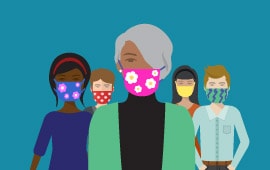
- Wear a mask to help stop the spread of COVID-19 to others.
- Stay at least 6 feet (about 2 arm lengths) from others who don’t live with you, particularly in crowded areas.
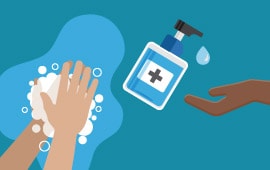
- Wash your hands with soap and water for 20 seconds or use hand sanitizer with at least 60% alcohol.
How to Protect Yourself When Going Out
- Wear a mask that covers your nose and mouth to help protect others.
- Choose a mask with two or more layers of washable, breathable fabric that fits snugly against the sides of your face.
- Stay 6 feet apart and avoid crowds.
- The more people you are in contact with, the more likely you are to be exposed to COVID-19.
- Avoid indoor spaces as much as possible, particularly ones that aren’t well ventilated.
- You may find it harder to stay 6 feet apart in indoor spaces.
- Wash your hands often.
- Use soap and water for 20 seconds, especially after you have been in a public place or hand sanitizer if soap and water aren’t available.
If You are at Risk of Getting Very Sick
- People of any age can get COVID-19, even healthy young adults and children.
- People who are older or have certain underlying medical conditions are at higher risk of getting very sick from COVID-19.
- Other groups may be at higher risk for getting COVID-19 or having more severe illness.

What to Do If You're Sick
- Stay home except to get medical care. Most people with COVID-19 have mild illness and recover at home without medical care.
- Isolate yourself from other members of your family to prevent spread to them and the people that they may have contact with, like grandparents.
- If you have to leave isolation, wear a mask, stay 6 feet apart from others, wash your hands frequently, and clean all touched surfaces.
- Even if you don’t feel sick, you can spread COVID-19 to others. Be sure that you protect everyone as though they are the most fragile person in your family.
- Get care immediately if you are having emergency warning signs, like trouble breathing, pain or pressure in chest.
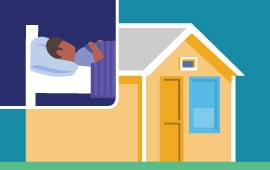
How to Get a Test for Current Infection
- You can visit your state or local health department’s website to look for the latest local information on testing.
- If you have symptoms of COVID-19 and want to get tested, call your healthcare provider first.
- If you have symptoms of COVID-19 and choose to not get tested, it is important to stay home. Find out what to do if you are sick.

How to Cope with Stress
- Care for yourself one small way each day.
- Unwind by doing yoga, listening to music, or gardening.
- Find new ways to connect with family and friends, get support, and share feelings.
- Eat healthy foods and get enough rest
- Relax by reading, listening to music, or starting a new hobby.

What Symptoms to Watch For
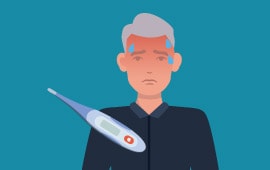
The most common symptoms of COVID-19 are
- Fever
- Cough
- Headaches
- Fatigue
- Muscle or body aches
- Loss of taste or smell
- Sore throat
- Nausea
- Diarrhea
Other symptoms are signs of serious illness. If someone has trouble breathing, chest pain or pressure, or difficulty staying awake, get medical care immediately.